

Balkon oder Terrasse gestalten: So wird dein Außenbereich zum gemütlichen Lieblingsplatz
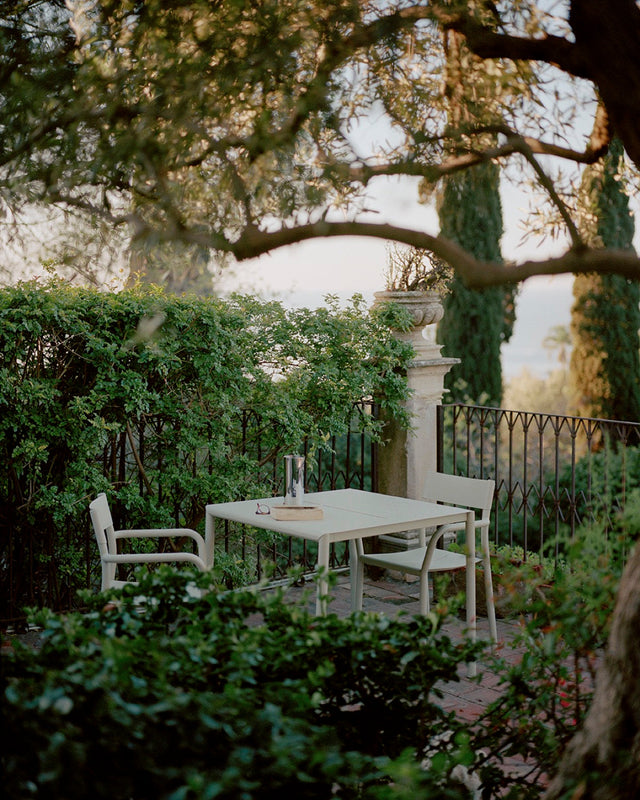
Einen Balkon oder eine Terrasse zu haben wünschen wir uns eigentlich alle. Ein Stück draußen. Ein Platz für den ersten Kaffee am Morgen, für ein Glas Wein am Abend, für ein paar Sonnenstrahlen zwischendurch oder für diese fünf Minuten Ruhe, die sich manchmal anfühlen wie ein kleiner Urlaub.
Und trotzdem gibt es erstaunlich viele Balkone und Terrassen, die maximal als erweiterter Kühlschrank im Winter und als Rumpelkammer im Sommer genutzt werden.
Vielleicht stehen dort zwei Stühle, ein Tisch, ein paar vergessene Pflanzentöpfe und irgendwo noch die Gießkanne. Eigentlich wäre alles da. Aber irgendwie zieht es einen trotzdem nicht richtig nach draußen.
Oft liegt das nicht daran, dass der Balkon zu klein ist oder die Terrasse nicht perfekt geschnitten. Meistens fehlt etwas anderes: ein Gefühl von Gemütlichkeit, Geborgenheit und echter Wohnlichkeit. Denn ein Außenbereich wird nicht automatisch schön, nur weil man Möbel daraufstellt. Er muss sich gut anfühlen.
Genau darum geht es in diesem Beitrag: Wie du deinen Balkon oder deine Terrasse so gestaltest, dass du wirklich gerne dort bist.
1. Überlege zuerst: Was soll dein Außenbereich für dich sein?
Bevor du Möbel kaufst, Pflanzen aussuchst oder nach der nächsten Lichterkette suchst, lohnt sich eine ganz einfache Frage:
Wie möchtest du diesen Platz eigentlich nutzen?
Soll dein Balkon ein ruhiger Kaffeeplatz am Morgen sein? Eine kleine grüne Oase? Eine gemütliche Lounge für lange Sommerabende? Ein Essplatz für zwei? Oder eher ein flexibler Ort, an dem du lesen, sitzen, arbeiten, essen und entspannen kannst?
Gerade kleine Außenbereiche profitieren davon, wenn sie eine klare Hauptaufgabe bekommen. Denn wenn ein kleiner Balkon gleichzeitig Esszimmer, Lounge, Kräutergarten, Abstellfläche und Sonnenplatz sein soll, wirkt er schnell überladen.
Das bedeutet nicht, dass du dich streng festlegen musst. Aber ein Schwerpunkt hilft enorm. Wenn du weißt, dass du vor allem gemütlich sitzen möchtest, dann sollte der beste Platz auch dem bequemsten Möbel gehören. Wenn du dort am liebsten essen möchtest, braucht der Tisch genug Raum. Und wenn du vor allem Pflanzen liebst, darf das Grün ruhig die Hauptrolle spielen.
So entsteht ein Außenbereich, der nicht nur hübsch aussieht, sondern wirklich zu deinem Alltag passt.
2. Schaffe Geborgenheit: Niemand sitzt gerne auf dem Präsentierteller
Ein häufiger Grund, warum Balkone und Terrassen nicht richtig genutzt werden: Sie fühlen sich zu offen an.
Vielleicht sitzt man direkt im Blickfeld der Nachbarn. Vielleicht ist das Geländer komplett durchsichtig. Vielleicht fehlt ein Dach, ein Sonnenschirm oder irgendeine Form von Begrenzung. Und obwohl der Platz eigentlich schön ist, fühlt man sich dort nicht richtig wohl.
Gemütlichkeit entsteht nicht nur durch weiche Kissen. Sie entsteht auch durch Schutz.
Ein guter Außenbereich braucht beides: einen Blick nach draußen und ein Gefühl von Rückzug. Du möchtest die Umgebung wahrnehmen können, aber nicht das Gefühl haben, selbst ständig beobachtet zu werden.
Dabei muss Sichtschutz gar nicht massiv oder abweisend wirken. Oft reichen schon ein paar gut gesetzte Elemente:
Hohe Pflanzen in schönen Kübeln können eine Terrasse weicher einfassen. Ein textiler Sichtschutz nimmt einem offenen Balkon die Härte. Holzlamellen bringen Struktur und Wärme. Auch Rankpflanzen, Bambus, Gräser oder große Pflanzkübel können helfen, ohne den Außenbereich komplett abzuschotten.
Besonders schnell erreichst du das Gefühl ein bisschen geschützt zu Sitzen mit einem Sonnenschirm. Der verhindert nämlich nicht nur den nächsten Sonnenbrand sondern gibt deinem Außenbereich auch sofort ein Dach.

Wichtig ist: Der Platz soll sich nicht wie eine Bühne anfühlen, sondern wie ein kleiner Rückzugsort.
3. Kleine Flächen clever nutzen, ohne sie zu überladen
Nicht jeder Balkon ist groß. Und nicht jede Terrasse bietet Platz für eine komplette Loungegruppe. Aber auch kleine Außenbereiche können unglaublich schön sein, wenn man sie nicht überfrachtet.
Der wichtigste Gedanke: Nicht jeder Zentimeter muss vollgestellt werden.
Gerade bei kleinen Flächen ist Bewegungsfreiheit entscheidend. Du solltest dich noch gut setzen, aufstehen, umdrehen und vielleicht auch mal mit einer Tasse Kaffee in der Hand nach draußen treten können, ohne dich an drei Dingen vorbeizuschieben.

Wenn der Boden knapp ist, lohnt es sich, auch die Höhe mitzudenken. Geländerpflanzen, Hängeampeln oder schmale Wandregale können Platz schaffen, ohne die Grundfläche zu blockieren. Auch ein kleiner Beistelltisch ist oft praktischer als ein zu großer Tisch, der dauerhaft im Weg steht.
Lieber wenige gute Elemente als viele kleine Dinge. Ein bequemer Sessel, ein schöner Pflanzkübel, eine weiche Decke und eine kleine Leuchte können mehr Wirkung haben als zehn Dekoartikel, zwischen denen am Ende niemand mehr sitzen möchte.
4. Die richtigen Möbel: bequem, passend und wirklich einladend
Möbel sind auf Balkon und Terrasse natürlich wichtig. Aber es geht nicht nur darum, dass sie draußen stehen können. Sie müssen auch dazu einladen, wirklich dort zu bleiben.
Denn seien wir ehrlich: Auf einem harten Klappstuhl sitzt man vielleicht kurz. Auf einem gemütlichen Outdoor-Sessel bleibt man.
Wenn du deinen Außenbereich als echten Wohnraum nutzen möchtest, sind bequeme Polstermöbel oft der größte Unterschied. Sie machen aus einem funktionalen Platz einen Ort, an dem man sich fallen lassen kann.

Für kleine Balkone können kompakte Lounge-Sessel, gepolsterte Outdoor-Stühle, eine schmale Bank mit Sitzkissen oder ein kleines Bistro-Set gut funktionieren. Wichtig ist, dass die Möbel nicht zu wuchtig sind. Ein einzelner bequemer Sessel kann auf einem kleinen Balkon viel schöner sein als eine zu große Sitzgruppe, die alles blockiert.
Auf einer Terrasse darf es großzügiger werden. Hier können Outdoor-Sofas, modulare Loungemöbel, tiefe Sessel oder sogar ein Daybed richtig schön sein. Besonders praktisch sind modulare Möbel, weil sie sich an unterschiedliche Situationen anpassen lassen: mal als Lounge für den Abend, mal als Sitzplatz für Gäste.
Achte aber immer auf den Maßstab. Nicht die größte Loungegruppe ist automatisch die beste Wahl, sondern die, die zur Fläche passt. Ein Außenbereich wirkt dann besonders einladend, wenn Möbel, Pflanzen und freie Fläche in einem guten Verhältnis stehen.
Und noch ein Punkt: Komfort entsteht nicht nur durch Polster, sondern auch durch kleine Ablagen. Ein Beistelltisch für das Buch, den Kaffee oder die Sonnenbrille macht den Platz sofort alltagstauglicher.
5. Warme Materialien und Farben machen den Unterschied
Viele Balkone und Terrassen starten mit einer eher kühlen Grundlage: Betonboden, Glasgeländer, Metall, graue Platten oder Edelstahl. Das kann modern aussehen, fühlt sich aber nicht automatisch gemütlich an.
Deshalb lohnt es sich, bewusst Wärme hineinzubringen.
Holz ist dafür ein wunderbares Material. Es kann als Bodenbelag, Möbelmaterial, Sichtschutz oder Pflanzkübel auftauchen. Auch Keramik, Naturstein, Geflecht, Terrakotta oder Outdoor-Stoffe bringen mehr Wohnlichkeit in den Außenbereich.
Bei den Farben funktionieren natürliche Töne besonders gut: Sand, Beige, Creme, warmes Grau, Salbeigrün, Oliv, Rost, Terrakotta oder Braun. Sie wirken ruhig, lassen sich gut mit Pflanzen kombinieren und machen den Außenbereich weicher.

Das bedeutet nicht, dass alles beige sein muss. Auch schwarze oder dunkelgraue Elemente können sehr schön aussehen, wenn sie gezielt eingesetzt werden. Wichtig ist nur, dass sie nicht alles dominieren. Wenn Boden, Geländer, Möbel und Pflanzkübel alle kühl und dunkel sind, fehlt schnell die Wärme.
Ein guter Trick ist, harte Materialien mit weichen Gegenspielern auszugleichen: Metall mit Polstern, Beton mit Pflanzen, Glas mit Textilien, Stein mit Holz.
So entsteht ein Außenbereich, der nicht nur gestaltet aussieht, sondern sich auch angenehm anfühlt.
6. Pflanzen: Aus Fläche wird Atmosphäre
Pflanzen sind wahrscheinlich der einfachste Weg, um Balkon oder Terrasse lebendig zu machen. Sie bringen Farbe, Bewegung, Duft und Struktur. Und sie schaffen genau das, was vielen Außenbereichen fehlt: Atmosphäre.
Besonders schön wirkt es, wenn du mit unterschiedlichen Höhen arbeitest. Große Pflanzen in Kübeln geben dem Außenbereich Halt. Kleinere Pflanzen auf Tischen, Regalen oder Fensterbänken sorgen für Details. Hängepflanzen oder Rankpflanzen bringen Fülle nach oben.

Wenn du Sichtschutz brauchst, sind größere Pflanzen besonders hilfreich. Gräser, Bambus, Olivenbäumchen, Hortensien, Oleander oder andere Kübelpflanzen können eine Terrasse wunderbar einfassen. Auf dem Balkon funktionieren schmale hohe Pflanzkübel, Geländertöpfe oder Rankgitter oft besser.
Auch Kräuter sind eine schöne Idee. Sie sehen gut aus, duften angenehm und sind im Alltag praktisch. Rosmarin, Thymian, Basilikum, Minze oder Salbei machen aus einem kleinen Balkon schnell einen Ort, der nicht nur schön aussieht, sondern auch genutzt wird.
Wichtig ist aber: Bleib realistisch. Wenn du wenig Zeit hast, wähle pflegeleichte Pflanzen. Ein paar gesunde, gut platzierte Pflanzen wirken viel schöner als viele Töpfe, die nach ein paar Wochen traurig aussehen.
Und auch bei Pflanzen gilt: Lieber ein kleines Konzept als zufällig gesammelte Einzeltöpfe. Wiederhole Materialien, Farben oder Pflanzgefäße. Das bringt Ruhe in die Gestaltung.
7. Licht: So wird es auch abends gemütlich
Tagsüber können Sonne, Pflanzen und Materialien für Stimmung sorgen. Abends übernimmt das Licht.
Und Licht macht draußen einen riesigen Unterschied.
Eine einzelne grelle Außenleuchte ist meistens wenig gemütlich. Viel schöner sind mehrere kleine Lichtquellen, die zusammen eine weiche Atmosphäre schaffen.
Lichterketten funktionieren auf Balkon und Terrasse besonders gut. Sie können am Geländer entlanglaufen, über dem Sitzplatz hängen oder durch Pflanzen geführt werden. Laternen und Windlichter bringen warmes Licht auf den Boden oder den Tisch. Solarleuchten in Pflanzkübeln setzen kleine Akzente. Auch kabellose Outdoor-Tischleuchten sind praktisch, weil du sie flexibel dort einsetzen kannst, wo du gerade sitzt.

Das Ziel ist nicht, den Außenbereich hell auszuleuchten. Er soll angenehm leuchten. So, dass man gerne noch ein bisschen sitzen bleibt, obwohl es längst dunkel wird.
Gerade im Sommer entsteht dadurch dieser besondere Moment: Die Luft ist noch warm, die Pflanzen werfen leichte Schatten, irgendwo flackert eine Kerze, und plötzlich fühlt sich der Balkon oder die Terrasse wie ein kleiner Urlaubsort an.
8. Textilien und wenige Details für den Feinschliff
Wenn Möbel, Pflanzen, Materialien und Licht stehen, kommt der Feinschliff. Und hier machen Textilien besonders viel aus.
Kissen, Decken und Polster sorgen dafür, dass der Außenbereich nicht nur schön aussieht, sondern auch bequem ist. Sie bringen Farbe, Muster und Weichheit ins Spiel. Ein Outdoor-Teppich kann zusätzlich helfen, den Sitzbereich optisch zusammenzufassen und harte Böden wohnlicher zu machen.

Gerade auf kleinen Flächen solltest du bei Accessoires aber bewusst auswählen. Ein paar schöne Kissen, eine Decke, ein Windlicht und ein besonderer Pflanztopf reichen oft völlig aus. Zu viele kleine Dinge wirken schnell unruhig und nehmen Platz weg.
Besonders Praktisch sind spezielle Outdoor Kissen, da sie Wetterfest sind und nicht jeden Abend wieder weggeräumt werden müssen. So sieht dein Outdoor Bereich immer einladend aus und du musst nicht erst eine halbe stunde dekorieren bevor du dich raus setzt.
Am Ende geht es nicht darum, möglichst viel zu dekorieren. Es geht darum, genau die Dinge auszuwählen, die den Platz gemütlicher, persönlicher und nutzbarer machen.
Fazit: Draußen wohnen statt nur draußen möblieren
Einen Balkon oder eine Terrasse zu gestalten bedeutet nicht, einfach ein paar Möbel nach draußen zu stellen. Es geht darum, einen Ort zu schaffen, an dem du wirklich gerne bist.
Dafür braucht es keine riesige Fläche und auch kein perfektes Setting. Viel wichtiger ist, dass der Außenbereich zu dir passt. Dass du dich geschützt fühlst. Dass die Möbel bequem sind. Dass Pflanzen, Materialien, Licht und Textilien zusammen eine Atmosphäre schaffen, die dich nach draußen zieht.
Vielleicht beginnt es mit einem gemütlichen Sessel. Vielleicht mit einem großen Pflanzkübel. Vielleicht mit einer Lichterkette, die abends genau das richtige Licht macht.
Und irgendwann merkst du: Der Balkon ist nicht mehr nur der Ort, an dem der Bierkasten steht, sondern dein kleiner Urlaub zu Hause.
Du hast Lust bekommen auch deinen Outdoor Bereich aufzuwerten und endlich richtig zu nutzen. Entdecke hier passende Produkte:

